Opening Hours : Monday - Friday, 08:00 am - 05:00pm




Agricultural
Validation Partner: Texas A&M AgriLife (Texas A&M University System)
International Testing: Colombia, Pakistan, Ghana, Guinea
Technology: Patented "Charged Particle" & Microbial Transport System
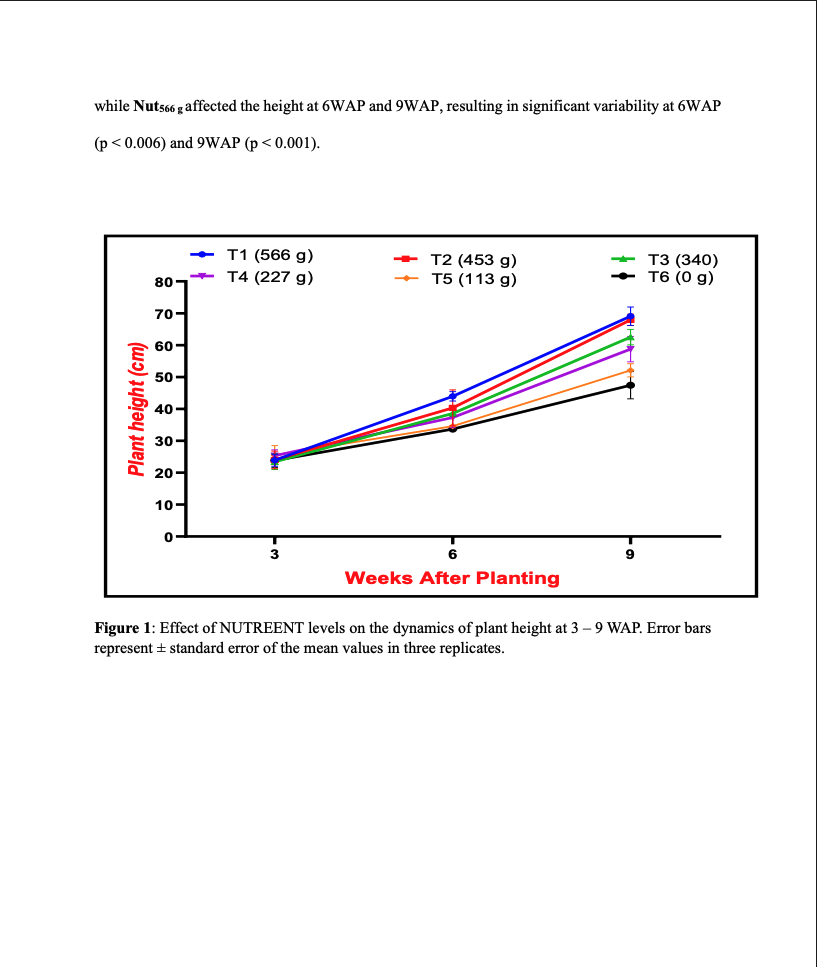
Modern agriculture faces the critical challenge of mitigating the adverse environmental effects of chemical fertilizers, specifically toxic runoff and soil degradation. The objective of this evaluation was to demonstrate how NUTREENT can decrease fertilizer reliance while maintaining or improving crop yield.
NUTREENT utilizes a patented technology (2020) involving charged ionic particles of iron, zinc, magnesium, and manganese.
Testing conducted by Texas A&M AgriLife and international field trials revealed three major agronomic breakthroughs:
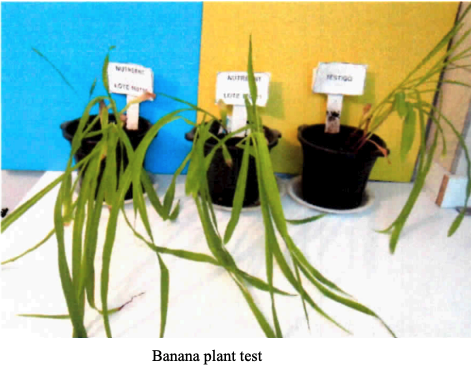
In comparative field tests conducted in Colombia, NUTREENT-treated banana plants (Lote 160110/170111) demonstrated superior root density and vertical growth compared to the control group (Testigo). The visual data confirms the 30% root mass increase, showing significantly longer and more complex root structures.
Millman Systems and Texas A&M AgriLife data confirm that NUTREENT offers a viable solution for sustainable agriculture. By using charged particle technology to sequester nutrients at the root base, the system reduces leaching and runoff, leaves no toxic residue, and increases crop yield and profitability.
Maximizing crop yields in agriculture increases earnings, food security, and sustainability, which aligns with farmers' major productivity goals.


.png)